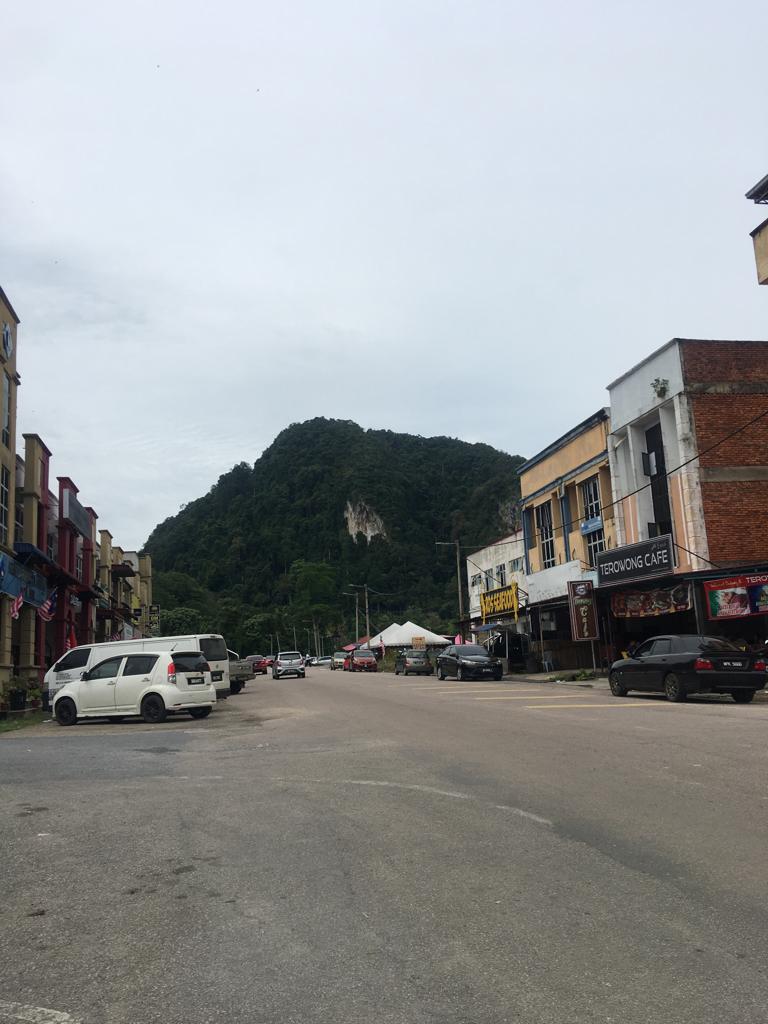
Gua Musang is the first point of entry into the state of Kelantan for travellers heading to the East Coast of Peninsular Malaysia via Kuala Lipis in Pahang.
It’s a picturesque route along the hilly rainforest of the Titiwangsa range which is dotted with limestone caves and formations.
The name of the town literally translates to ‘Fox Cave’ – a name that is derived from a local folklore about foxes (or ‘musang‘ in Malay for civet cats) luring a group of inquisitive youth into the limestone caves that surround the area.
As the story goes, the youth disappeared, all except for one of the youth disappeared. He returned to speak of mystical occurrences that his friends succumbed to before they disappeared.
Today, it is still a bustling hub for the nearby agricultural and logging industries, and is linked to the new Central Spine Road, and east coast rail service line to Kuala Lumpur and Singapore via Gemas.
The diverse community here is made up of the local aborigine communities, Malays, Chinese (descendants of 18th century gold-miners), Indians and Thais (Kelantan was a Siamese domain until 1909 when the British signed a treaty with the Siamese which resulted in Kelantan, Terengganu, Kedah and Perlis being absorbed as Federated Malay states).
The food in Gua Musang is a reflection of the diverse communities here which results in an interesting fusion which is rarely available outside Kelantan. Here are some of these:
Restoran Pok Ya Martabak (unmarked shop)


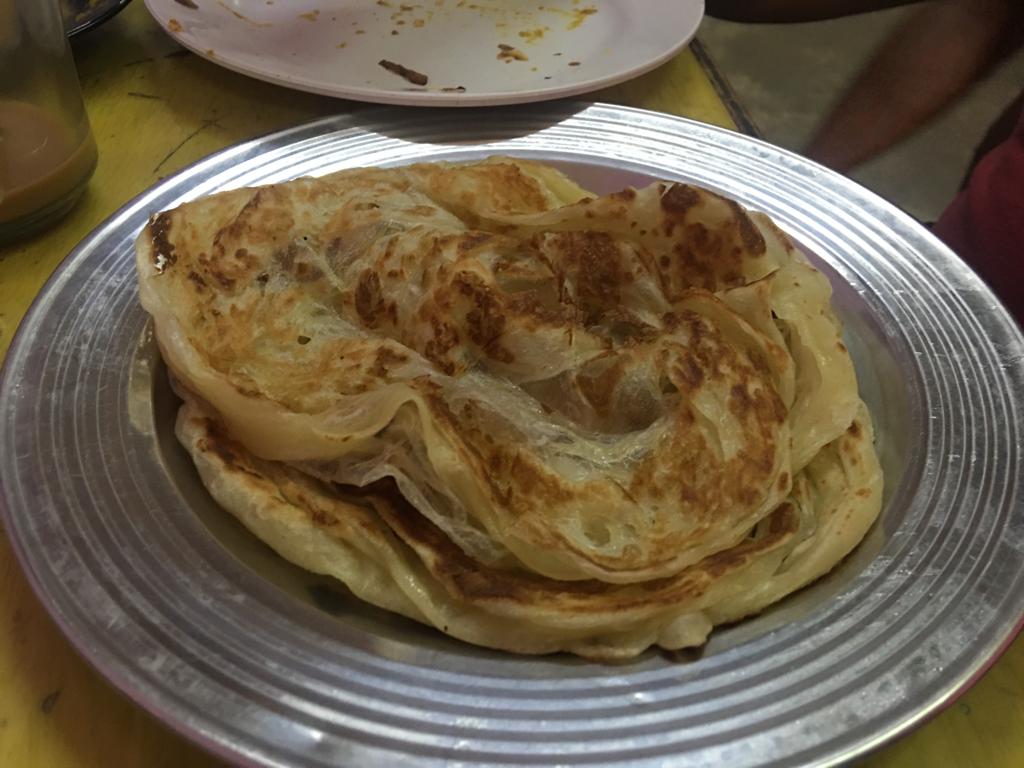

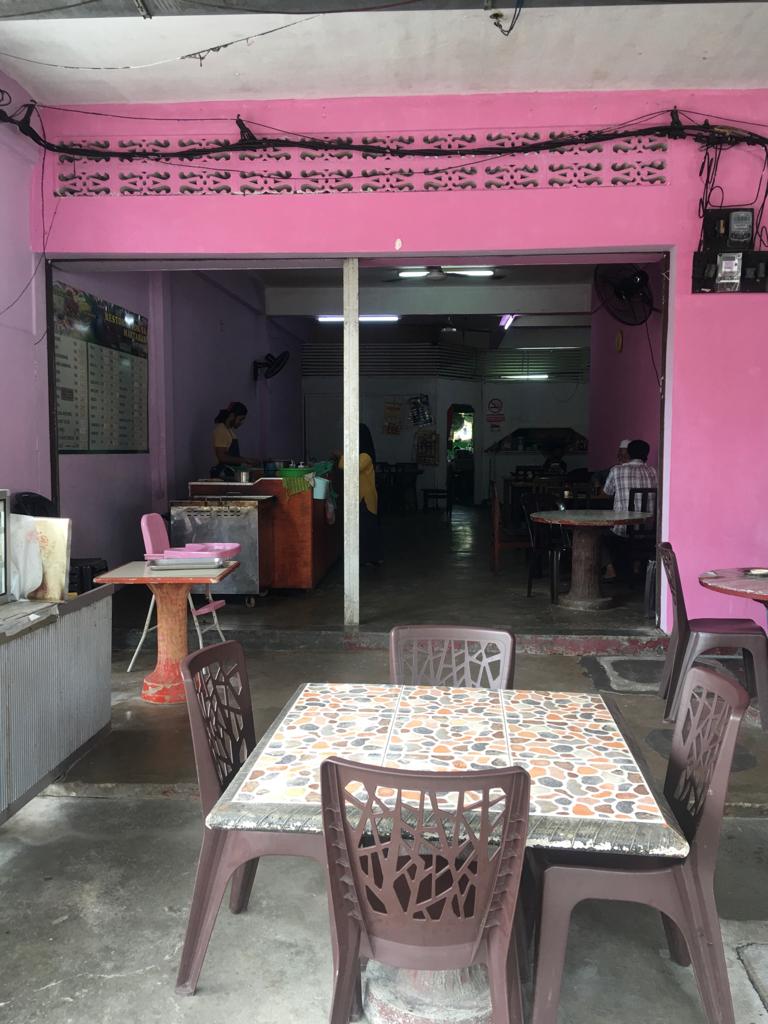

Restaurant 138 Pulai, Kampung Pulai, Gua Musang.


GM Heng Kopitiam
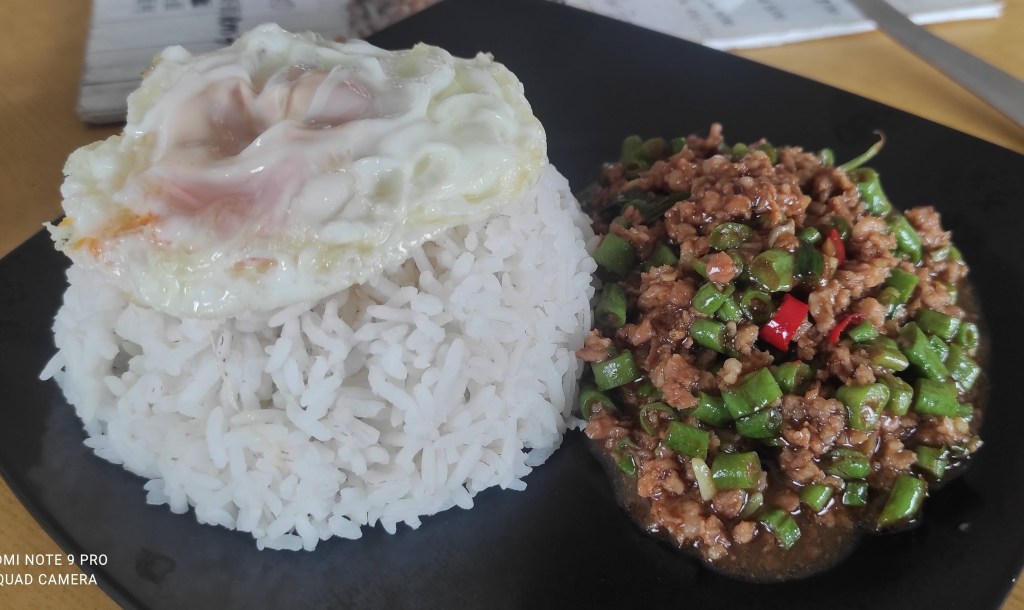

Ah Fatt Stall, Taman Tropika, Gua Musang


Janhom Restaurant, Gua Musang


More on Kelantan food trails: Food Trail: Kuala Krai, Kelantan
 Maria Dass the World