Despite being a peninsular, it is not all soft sandy beaches and rolling waves along the shorelines of West Malaysia.
Although there are some some scenic stretches with unobstructed views of the seas, some are covered in lush mangrove forests – mostly along river estuaries.
These spots might sound less appealing, but on the contrary these stretches have rich biodiversity and are home to some very interesting species and varieties of flora, fauna and marine life.
The best way to explore these mangroves is on a boat as I discovered.
More so when you have the country’s renown naturalist Irshad Mobarak taking you on a tour and pointing out plants, animals and various stages of the mangrove eco-system as the boat travels upriver from the river estuary.


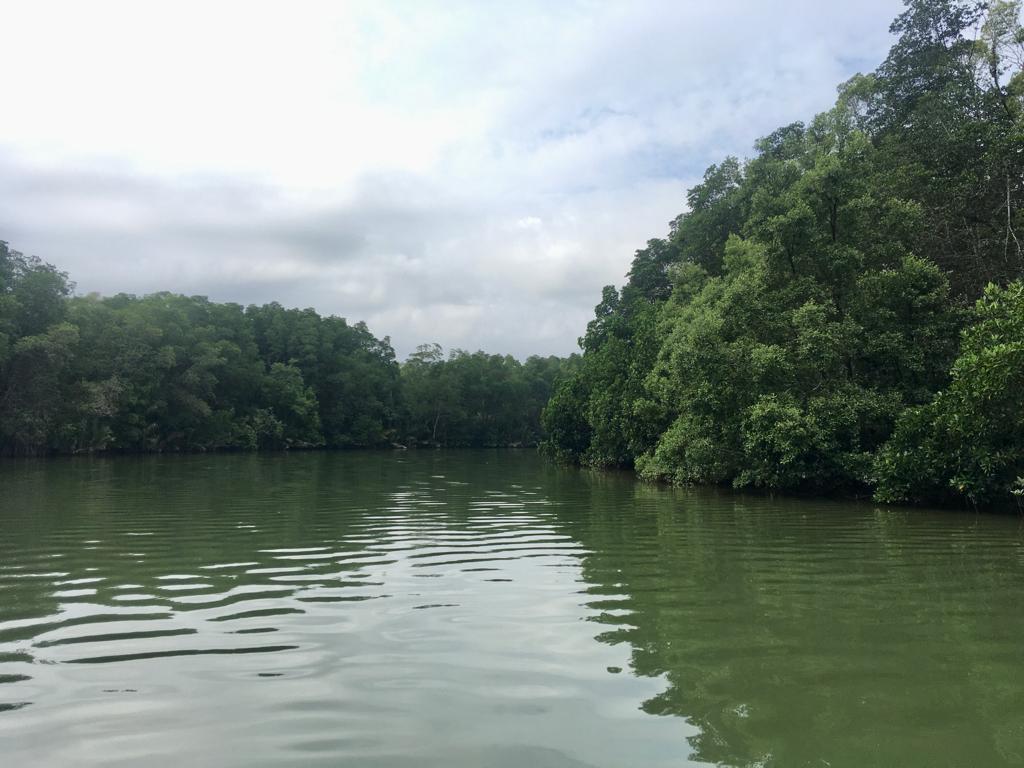


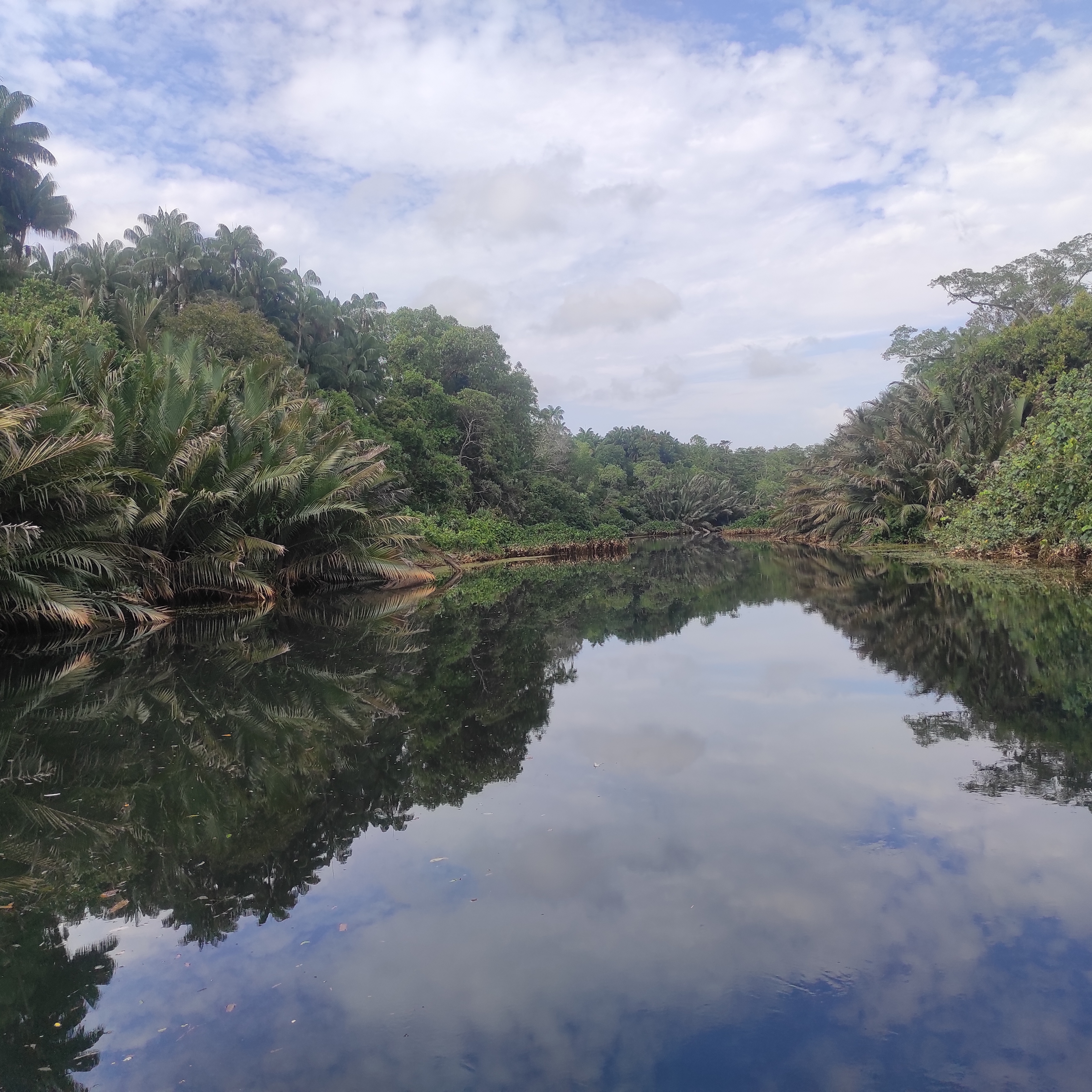

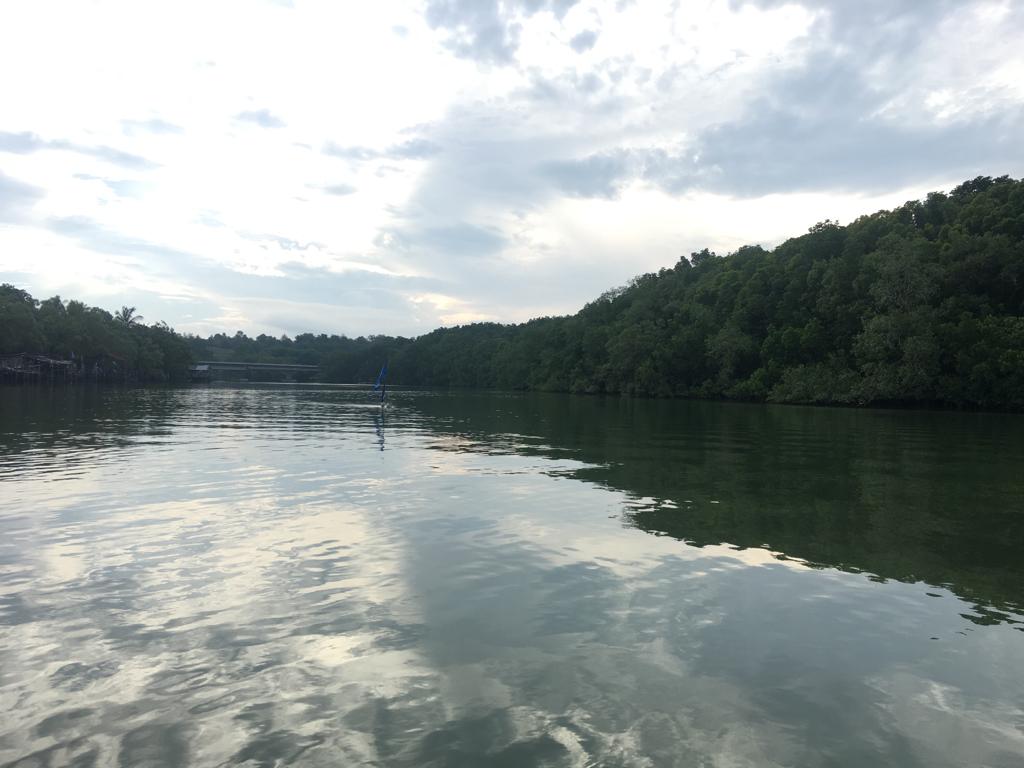

A trip down Sungai Sedili Kecil with Irshad who is also the owner of Jungle Walla was a plus to the experience as he explained the significance of the mangrove forest to the ecosystem and to the local communities.
The tour starts in the saltwater mangrove area and moves on to the brackish water and ends upstream where freshwater ecosystems thrive.

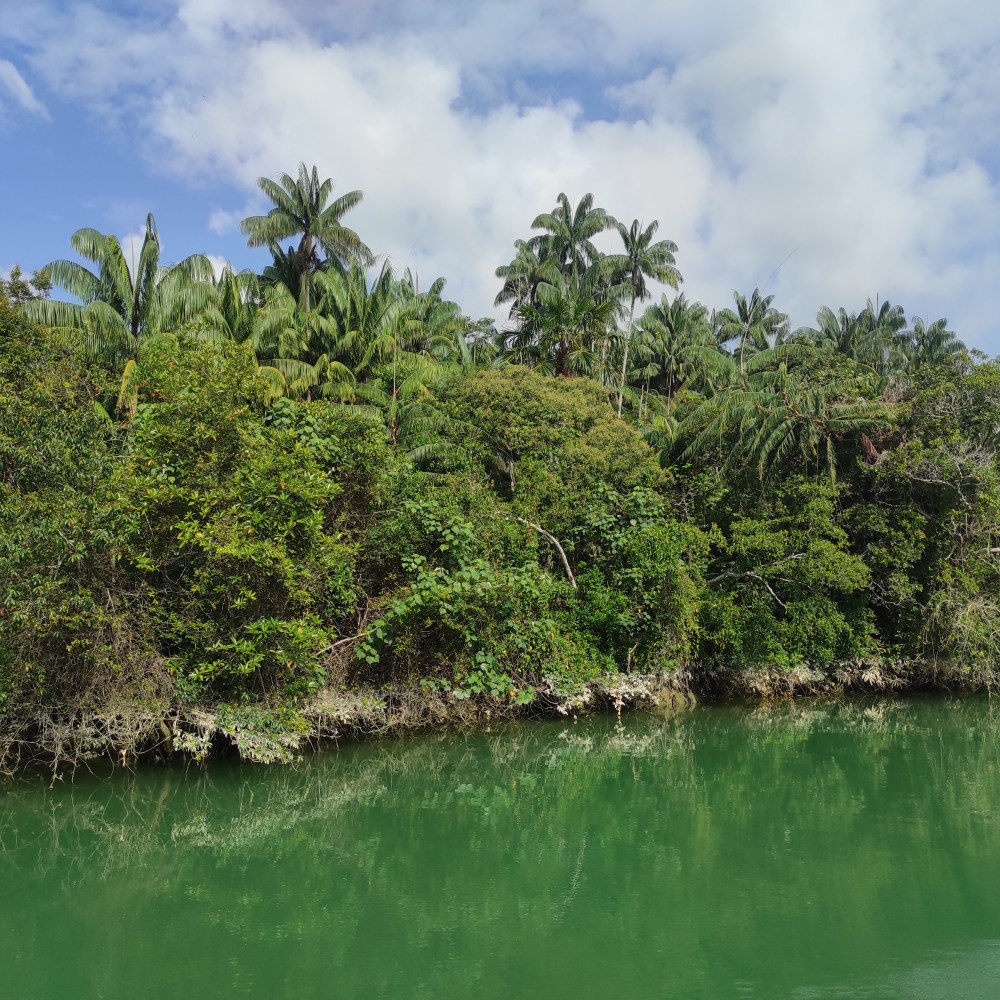
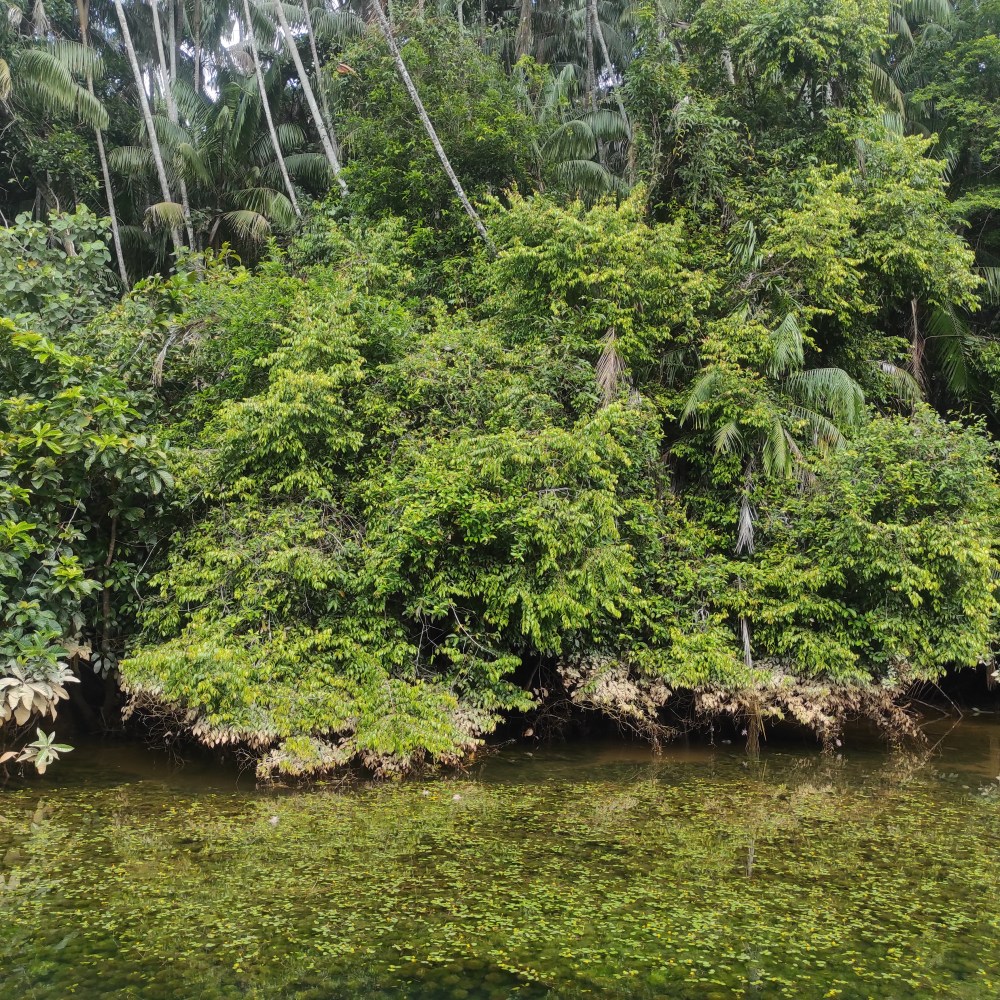
The transition is made clear by changes to the colour of the river water, vegetation along the banks and the types of marine life visible.
Along the banks various species of birds and monkeys including the macaques and dusky langurs, monitor lizards, snakes and other animals can be spotted.
If you are lucky, you may even get to see deer, tapirs and elephants.


Irshad said, South East Asia is known as the epicentre of both mangrove biodiversity (shoreline) and coral biodiversity (underwater). The diversity of the flora and fauna here is more than that found in the Amazon mangrove forests.
The mangrove river tours by Jungle Walla will be an excellent school holiday activity for the family, guaranteed to engage both kids and adults alike.
For more details, bookings and inquiries on eco tours in both Desaru and the Island of Langkawi visit: https://junglewalla.com/

More stories on the mangrove forests of Johor: Fishing at the tip of the continent
 Maria Dass the World