Dhoby Ghaut, Penang: A Living Legacy
Just off Jalan Air Itam and York Road in George Town, Penang is a hidden enclave that has been around almost as long as the establishment of Penang as a British trading post.
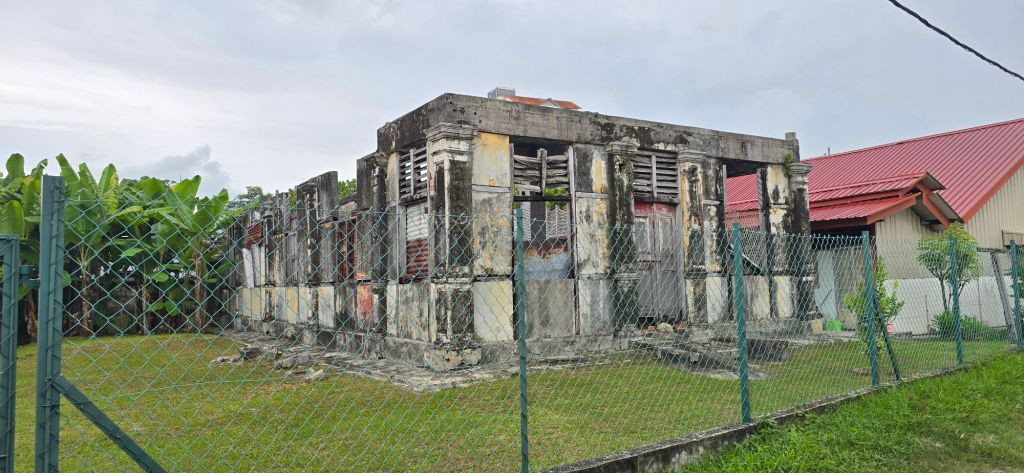
Dhoby Ghaut – once Penang’s laundry district was established in the early 1800s.
This riverside settlement became home to Indian washermen and women, or dhobis, brought over during British colonial rule to serve the garrisons and colonial elite.
Skilled Artisans in a New Frontier
The dhobis of Penang were more than just laundry workers, they were artisans using their unique skills and tools during a time when the was no piped water, electricity or the comforts of heavy machinery.
They played a vital role in Penang’s early economy, supporting colonial households, traders, and maritime visitors who docked at the nearby port.
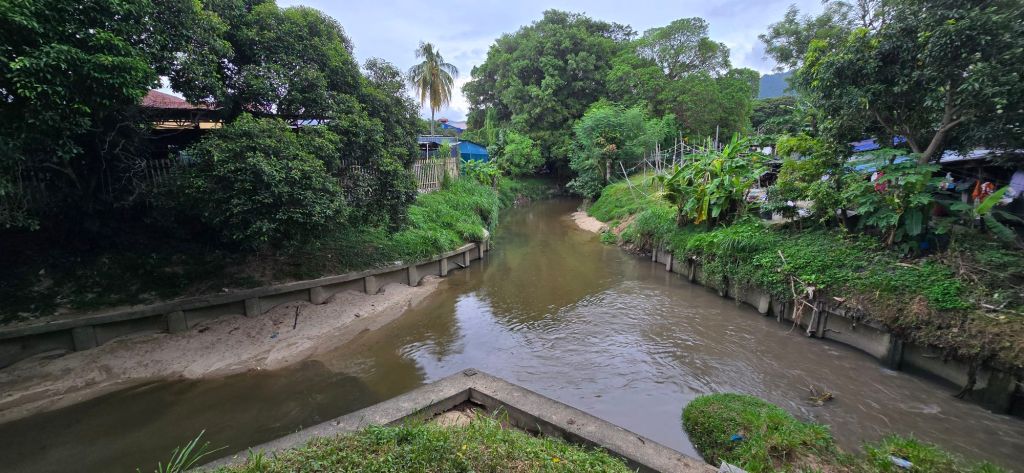
Using flogging stones and special soaps, they washed garments by hand in the once pristine waters at the confluence of three rivers – Sungai Air Itam, Sungai Air Terjun and Sungai Pinang.
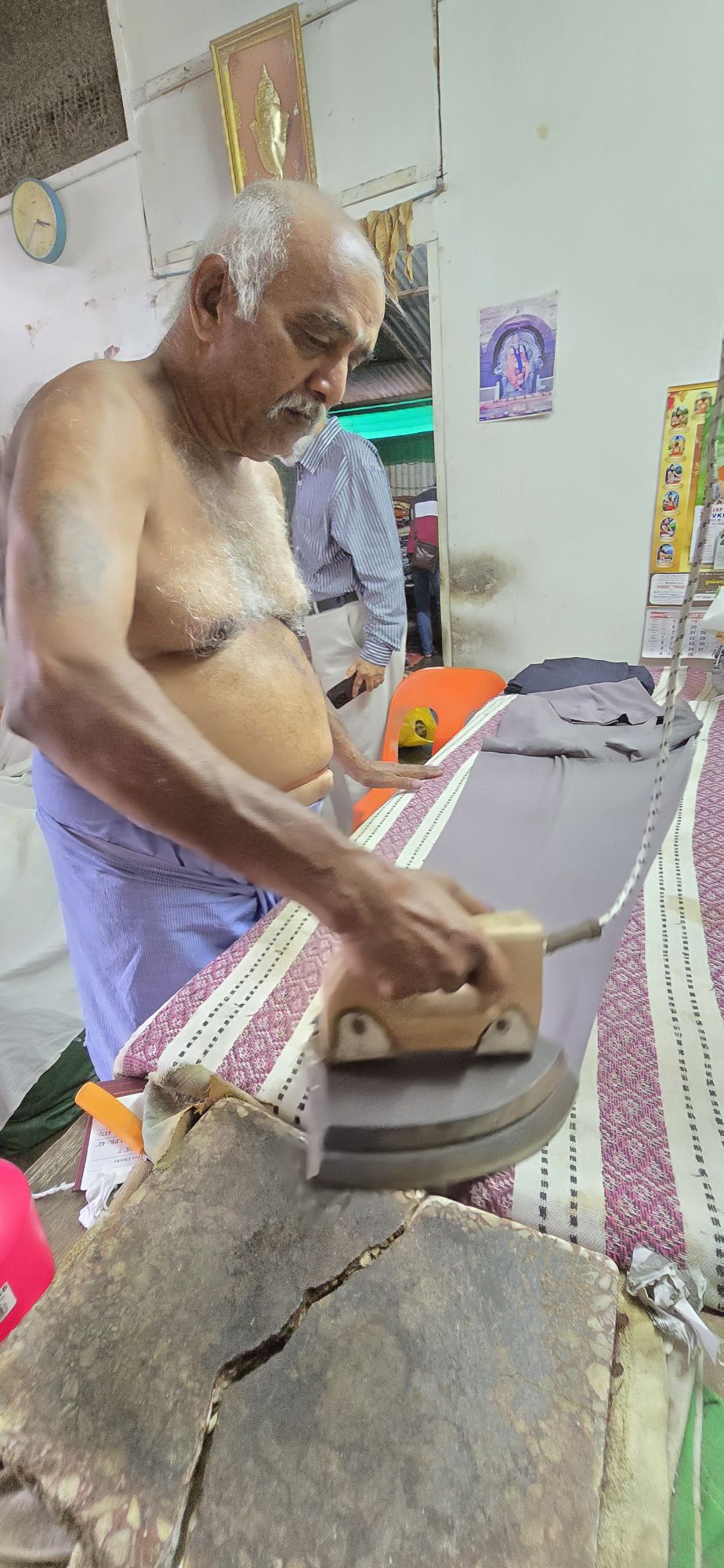
Families passed down the trade through generations, with entire households involved in the process, from sorting and soaking to scrubbing, sun-drying and ironing.
Special soaps used to remove the grit and grime of port workers clothes, and the large couldron where heavily soiled clothes are boiled, are still in use today.
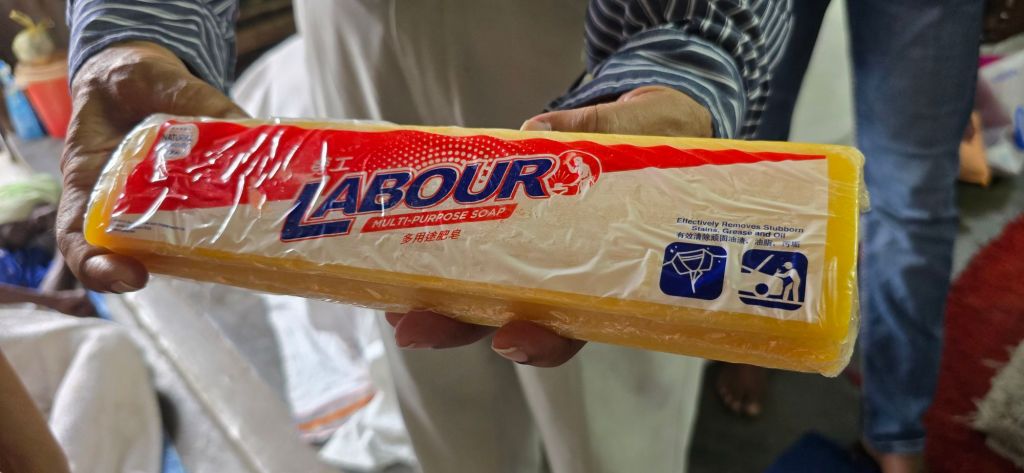
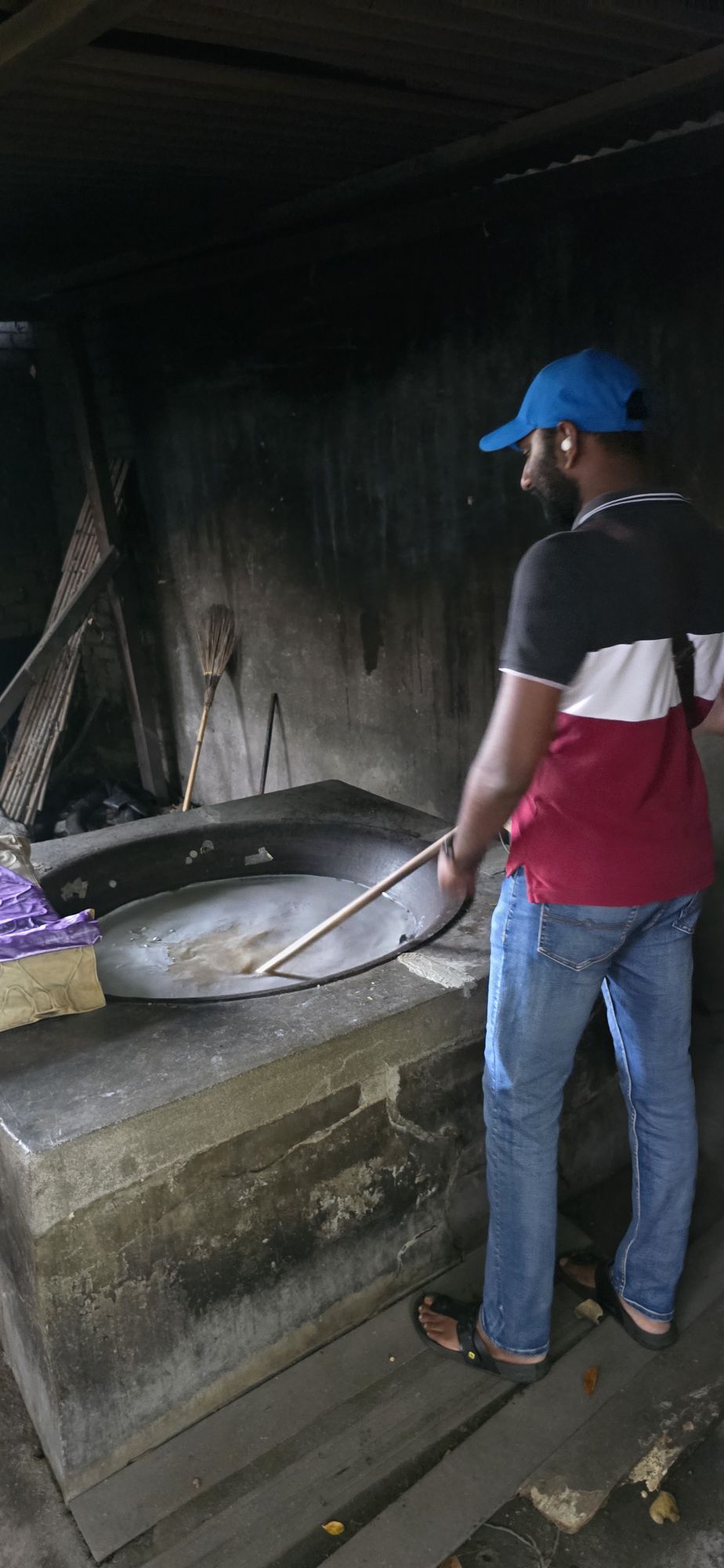
One notable figure in the scene was Rhanee, an Indian laundrywoman believed to have founded the original settlement.
In 1802, she was granted the land by Sir George Leith, then governor of Prince of Wales Island, under the East India Company. Her legacy lives on in the name “Rhanee Dhoby,” once used to describe the area.
Cultural Significance
Dhoby Ghaut wasn’t just a workplace, it was a community, where some of the decendents of Penang’s early dhobis still live.
Hindu temples like the Sri Devi Karumariamman and Sri Rama Temple, still stand today as spiritual anchors for the local population.
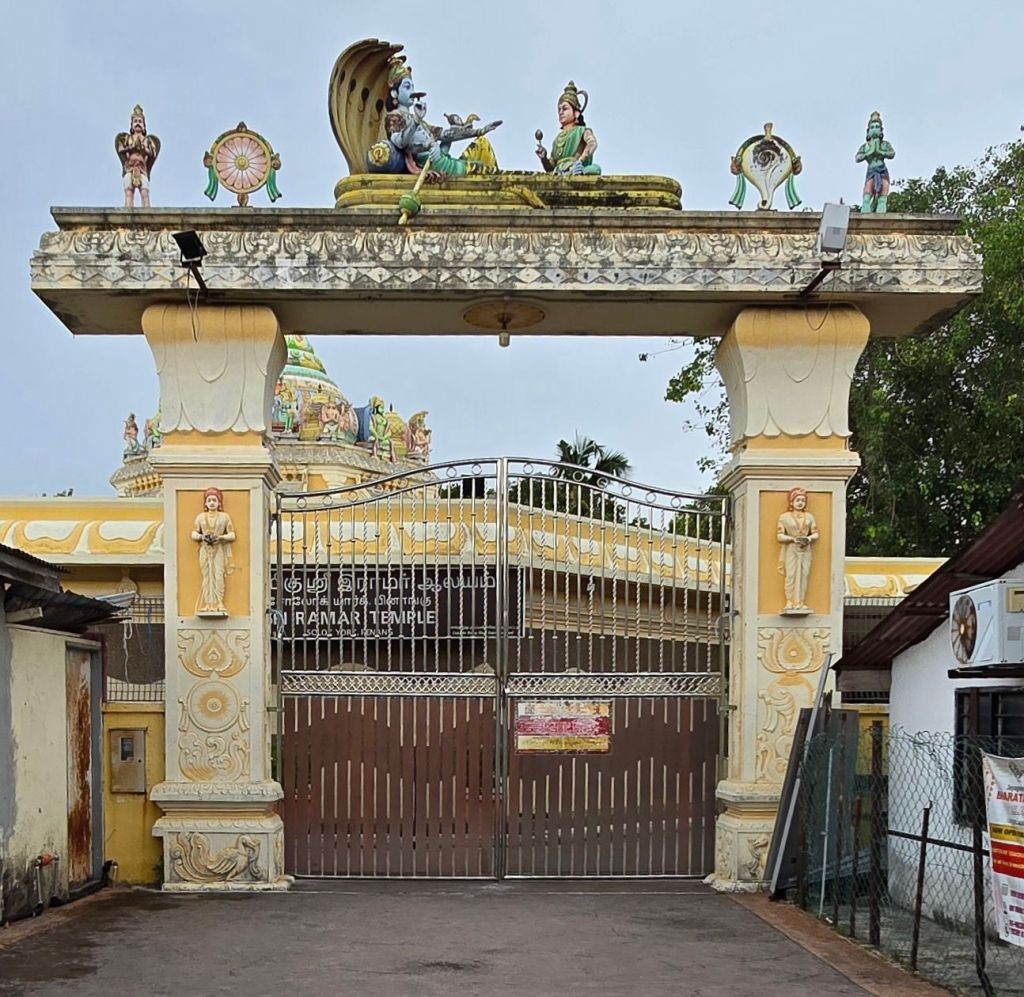
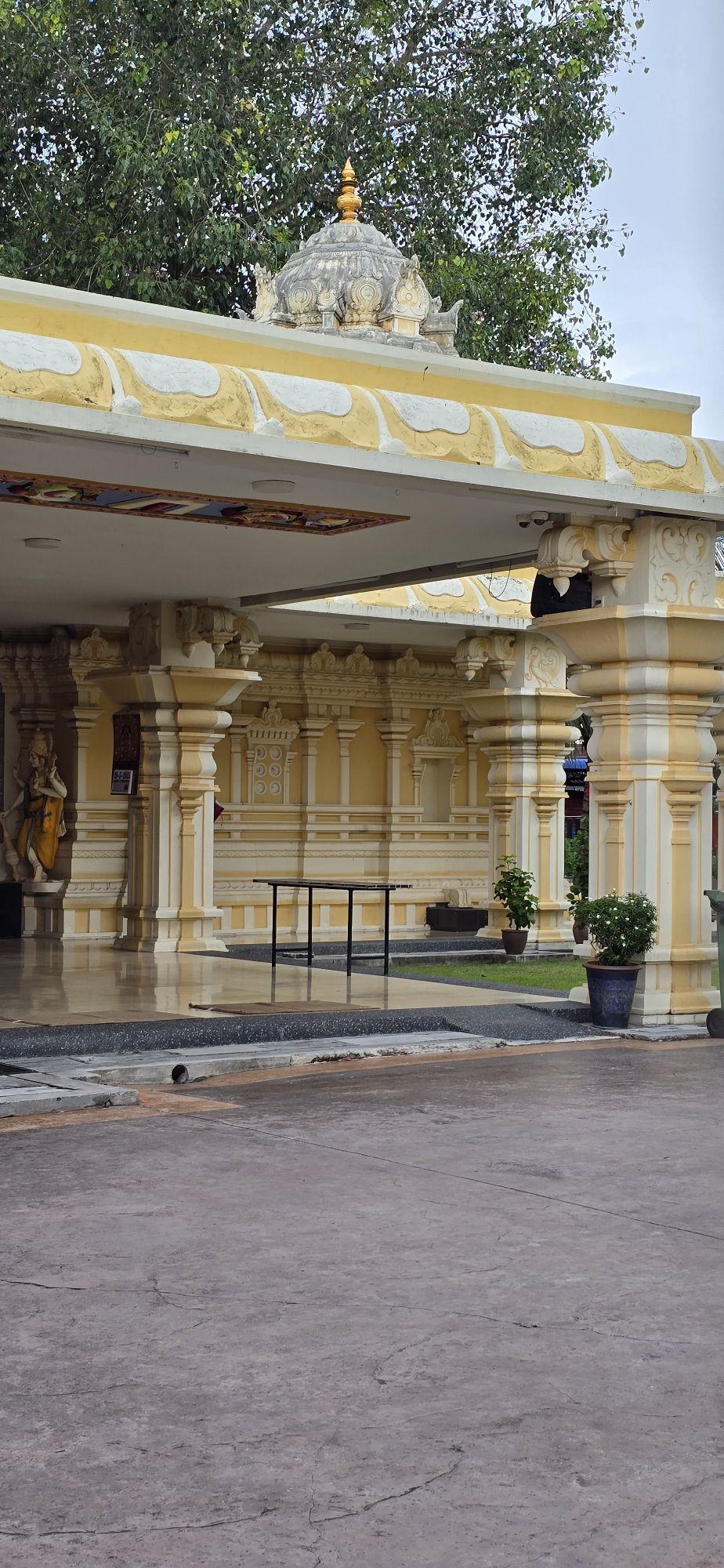
What It Is Today
Dhoby Ghaut remains as the last known traditional laundry district in Malaysia today. Only a handful of dhobis continue the trade, often catering to clients who prefer traditional methods for delicate garments like sarees and dhotis. The clang of flogging stones may be quieter now, giving way to the whirring electric washing machines and dryers.
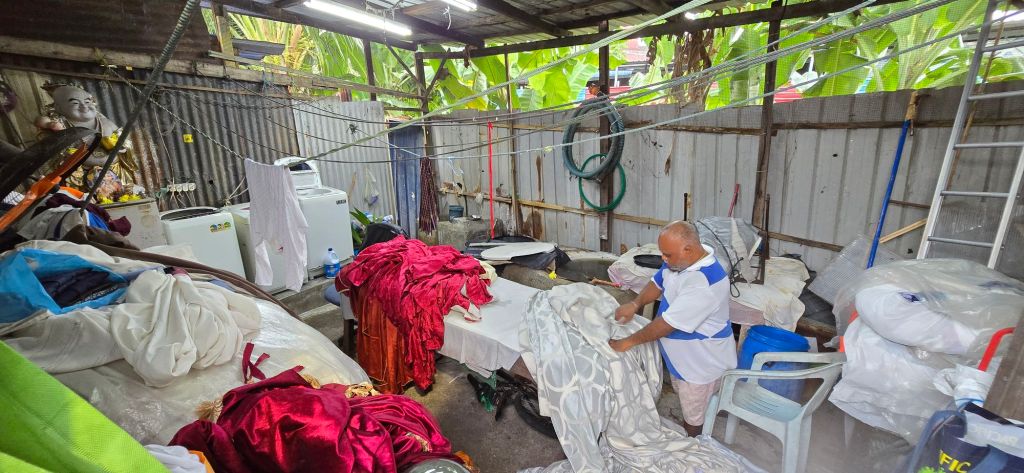
This humble enclave is more than a relic, it’s a living museum of Penang’s multicultural past.
Laundry, hung out to dry using special pegs and ropes still fluttering in the breeze st Dhoby Ghaut.
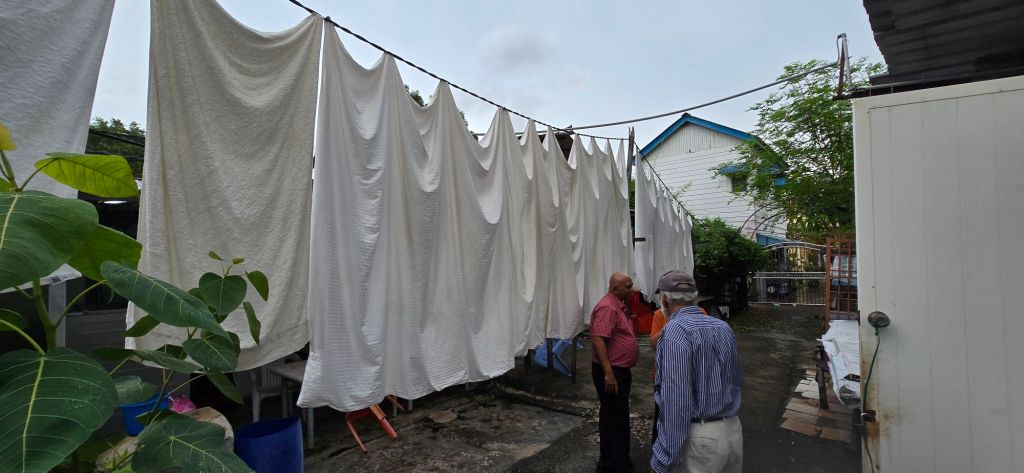
In essence, it is more than a place, it’s a living chapter of Penang’s story, where colonial history, cultural resilience and skilled labor intersect.
 Maria Dass the World